Delta Roots
Rural laments & field echoes
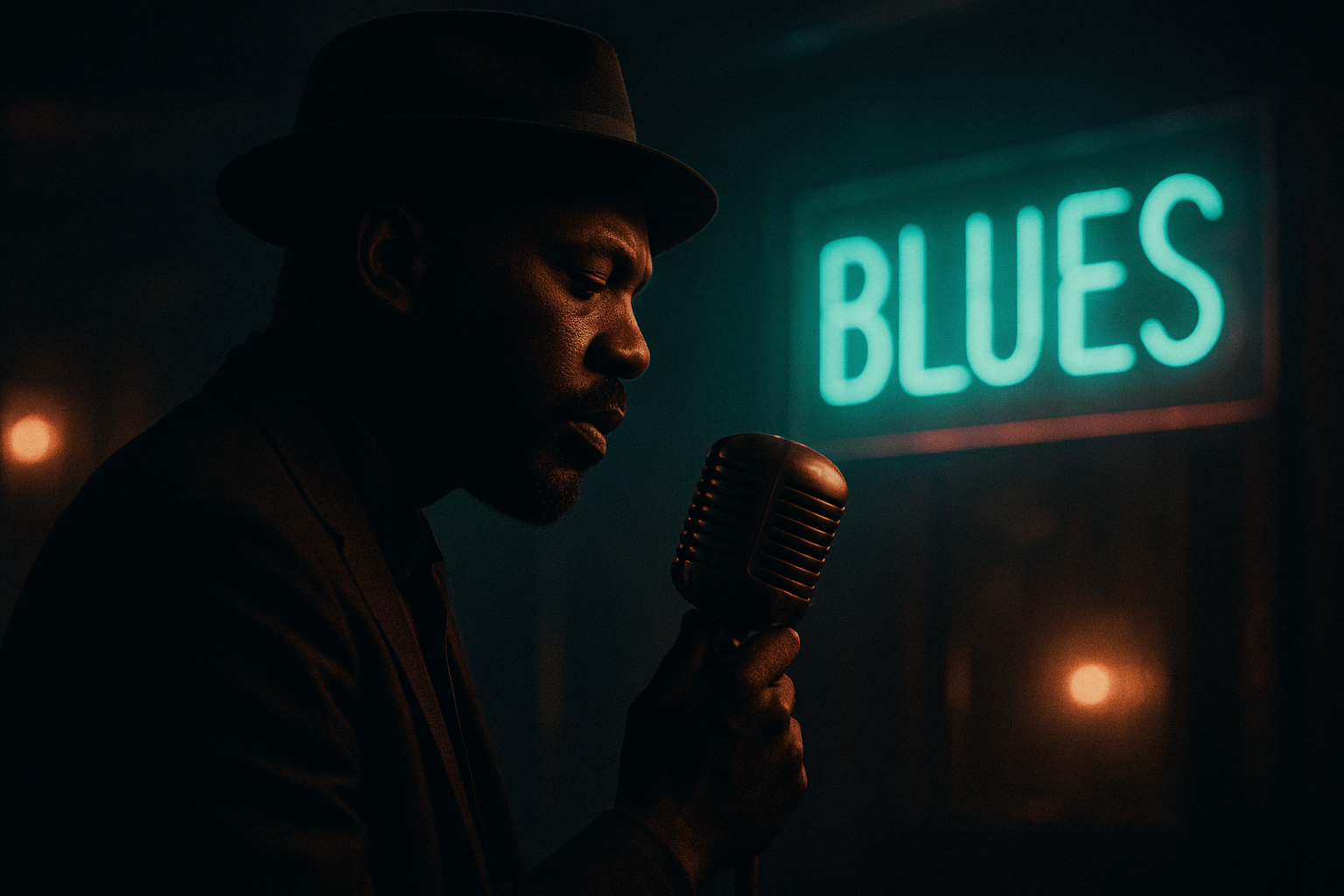
Raw vocal lines and slide guitar carried the earliest noir blues: stoic, intimate, and soaked in night air and river mist.
Noir Blues Archive
Born in dim clubs and rain-polished streets, noir blues carries the hush of midnight conversations, the grain of old vinyl, and the ache of a city that never sleeps. This chronicle traces the genre’s roots through smoke, migration, and the long echo of stage lights.
Step into a late-night journey through sound, streets, and storytelling—where guitar lines shimmer like wet pavement and every lyric feels like a whispered confession.
Origins & Cultural Roots
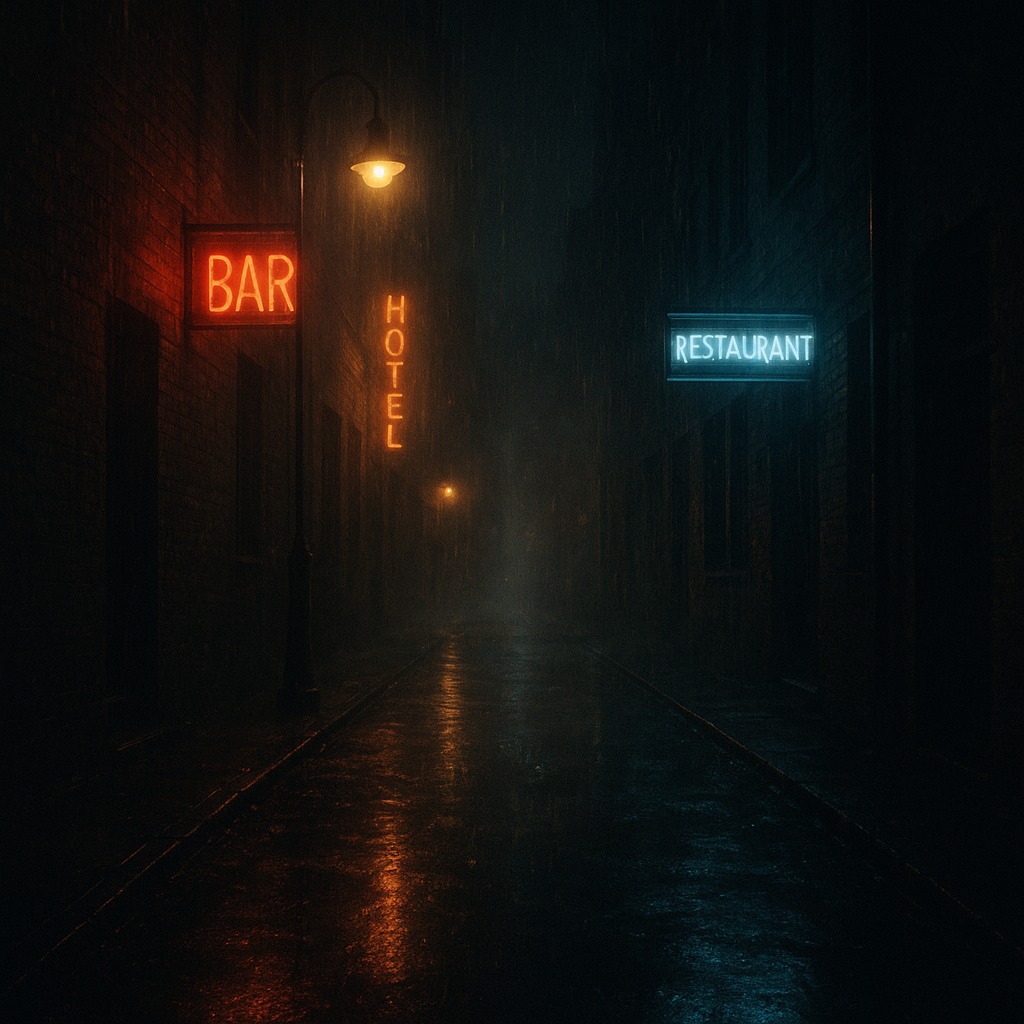
Noir blues emerged from the collision of early Delta traditions and the electric pulse of northern cities. As migration carried musicians into dense urban neighborhoods, their songs absorbed the clang of train yards, the glow of late-night marquees, and the stories whispered behind alley doors.
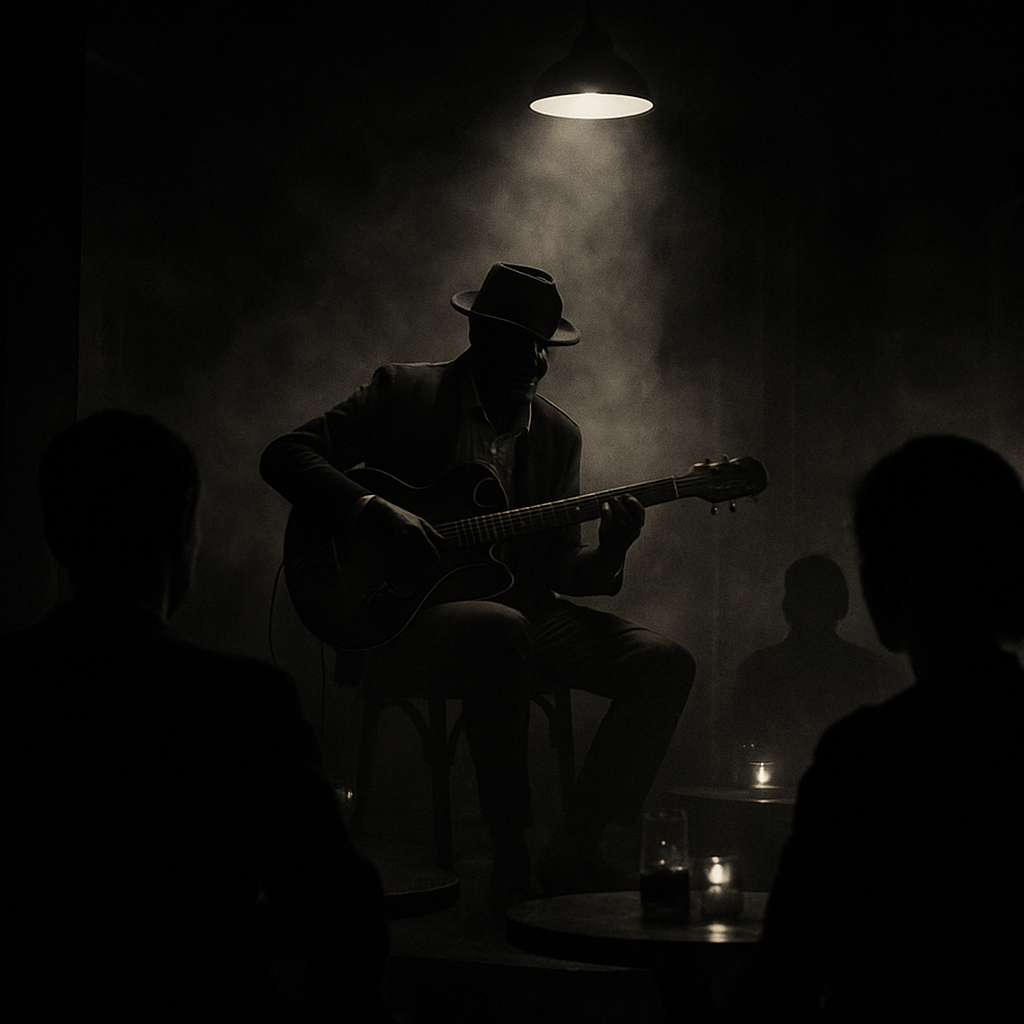
In smoke-filled clubs, the guitar lines stretched longer, darker, and more cinematic. The music leaned into blue notes and slow-burning grooves, echoing the uncertain promises of a new life and the weight of old hardships. Improvised verses turned to confessionals, shaping a sound that felt both intimate and immense.
The noir aesthetic formed as artists embraced atmosphere: the hush between phrases, the grit of vinyl, the rhythm of rain against a city window. It was a style rooted in the blues but rendered in urban chiaroscuro—melancholy, sensual, and unafraid to linger in the dark.
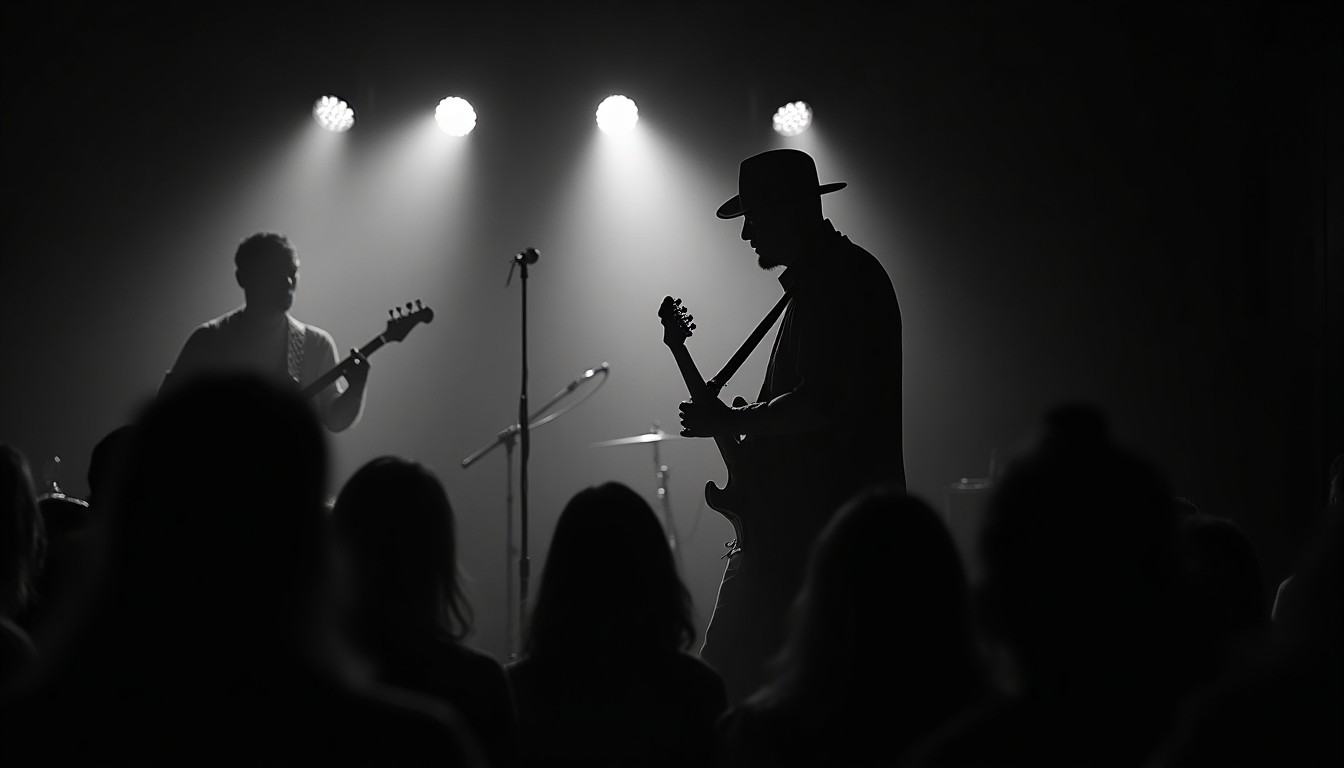
Key ingredients of the early noir sound
Era Highlights
From rural laments to neon-lit clubs, noir blues evolved through shifting cities, technologies, and stories. Each era below marks a distinct mood in the sound.
1910s → Today
A lineage of shadowed sounds, shaped by place, migration, and cinema.
Delta Roots
Raw vocal lines and slide guitar carried the earliest noir blues: stoic, intimate, and soaked in night air and river mist.
Urban Electrification
Migration to Northern cities introduced loud stages and tight ensembles, replacing hush with voltage and alleyway energy.
Midnight Clubs
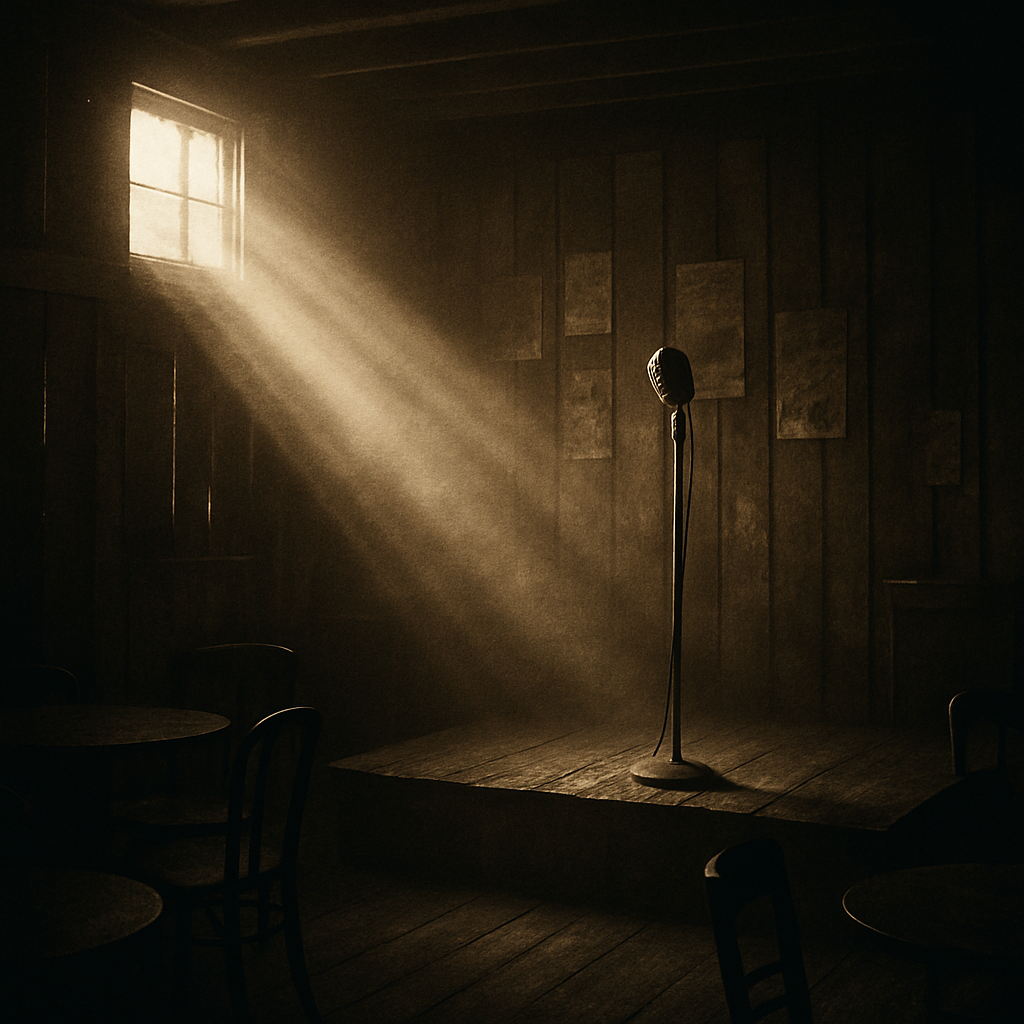
Dim rooms, low lights, and restrained tempos defined the noir club era — music that felt whispered across tables.
Lyrical Melancholy
Noir blues leaned into cinematic narratives: lonely streets, slow heartbreak, and the poetry of survival.
Cinematic Influence
Film noir and late-night radio fused with blues motifs, turning the genre into a backdrop for shadowed stories.
Enduring Legacy
Contemporary artists borrow the noir palette — minimal arrangements, dramatic crescendos, and lyrical shadows.
Artists & Legacy
Noir blues was shaped by singers who used restraint as a weapon, guitarists who played in whispers and wails, and bandleaders who knew how to leave space for a room to breathe. These artists were not bound by a single label; they moved through smoky clubs, late-hour radio sets, and dim stages where the spotlight made every lyric feel like a confession.
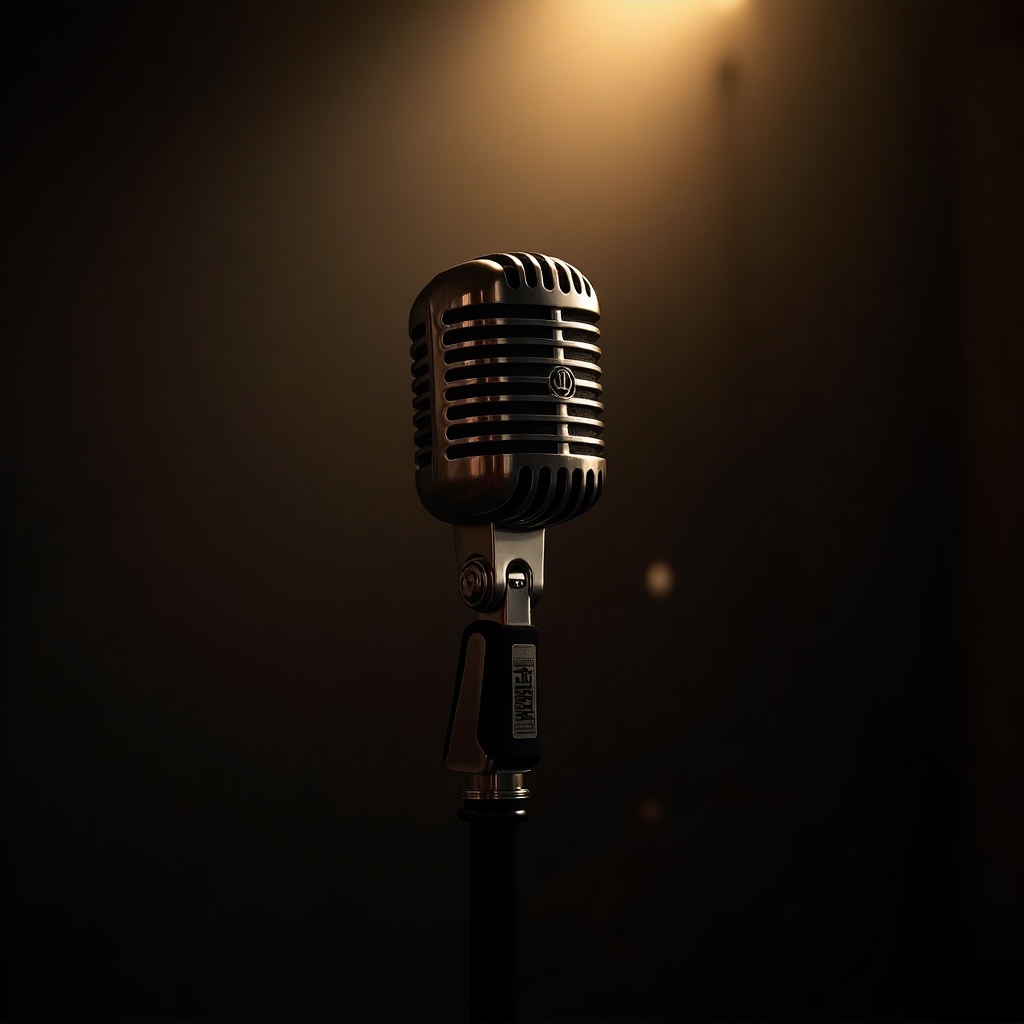
The legacy lives in the performance itself: a hush before the first chord, a microphone held close, a low-tempo groove that keeps the city awake. From intimate venues to larger theatrical rooms, the style was carried by those who turned atmosphere into storytelling—anchoring the music in lived experience and a sense of nocturnal intimacy.
Delivery mattered as much as melody. The slow drawl, the pause between notes, and the lean into the mic created a cinematic tension that audiences felt in their chest.
Small clubs, late-night lounges, and community halls gave the music a close, reflective character—spaces where every voice could sound both personal and mythic.
Today, the influence is felt in modern noir soundtracks, contemporary blues revivals, and intimate stagecraft. The legacy is less about a formal genre and more about a shared aesthetic—a way of speaking in shadows and letting the music carry the room.
Visual Mood
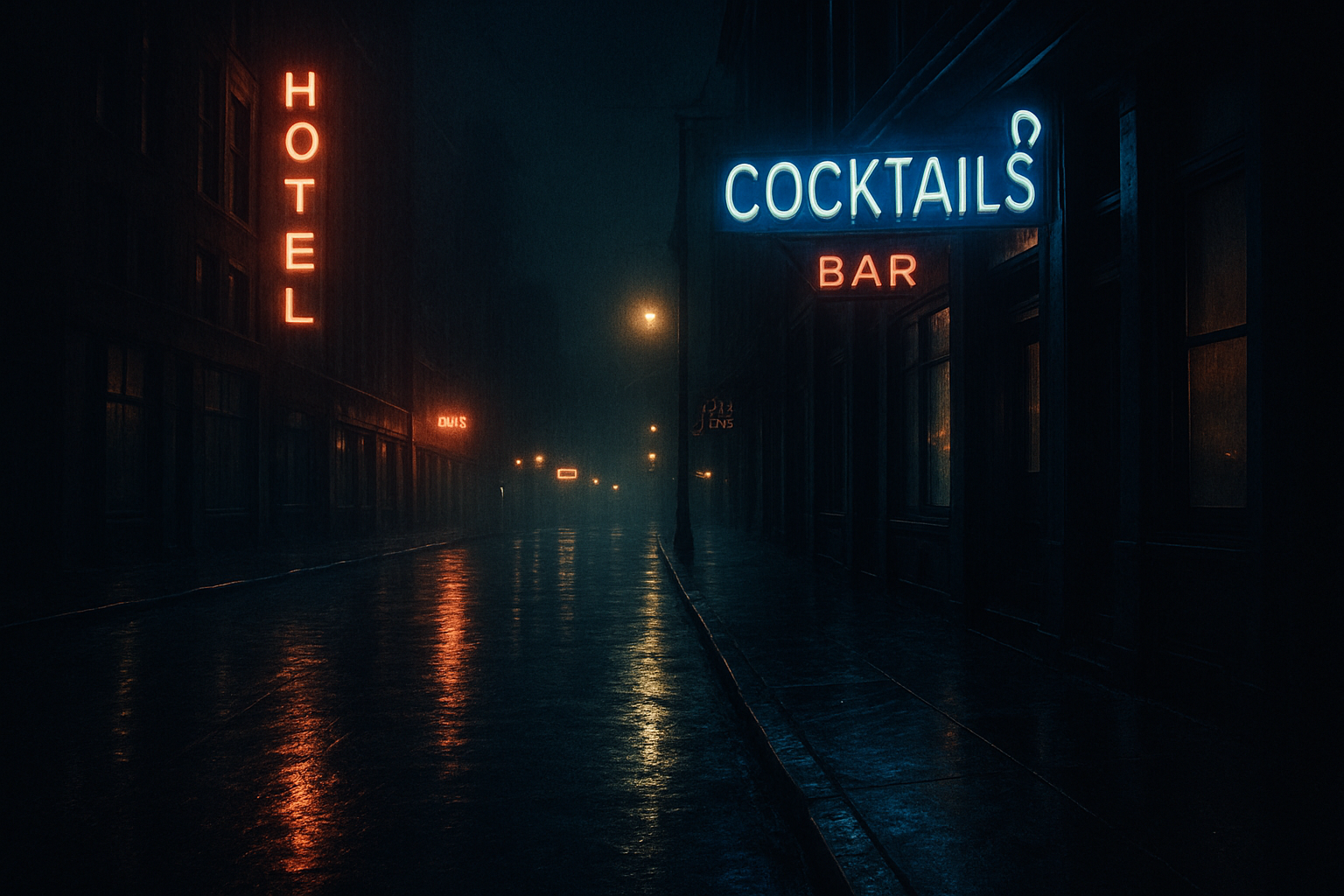
A cinematic gallery of the textures that define noir blues—midnight streets, smoke-heavy clubs, and the glow of stage lights on weathered instruments.
Gallery Notes
These vignettes mirror the genre’s historical setting: intimate rooms, late-night travel, and the soft crackle of analog sound.
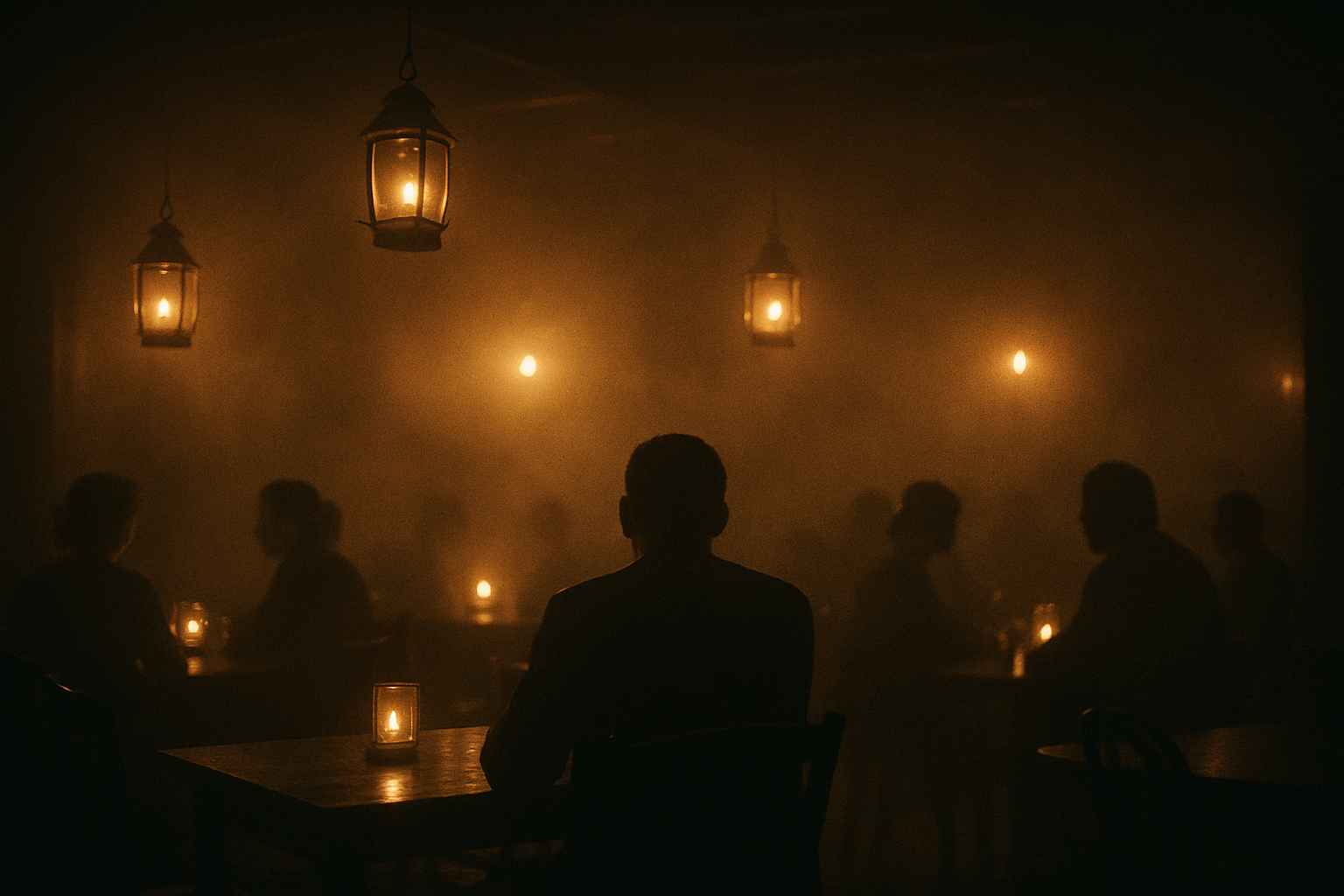
Smoke-Filled Clubs
Lantern light, murmured conversations, and slow-tempo blues.
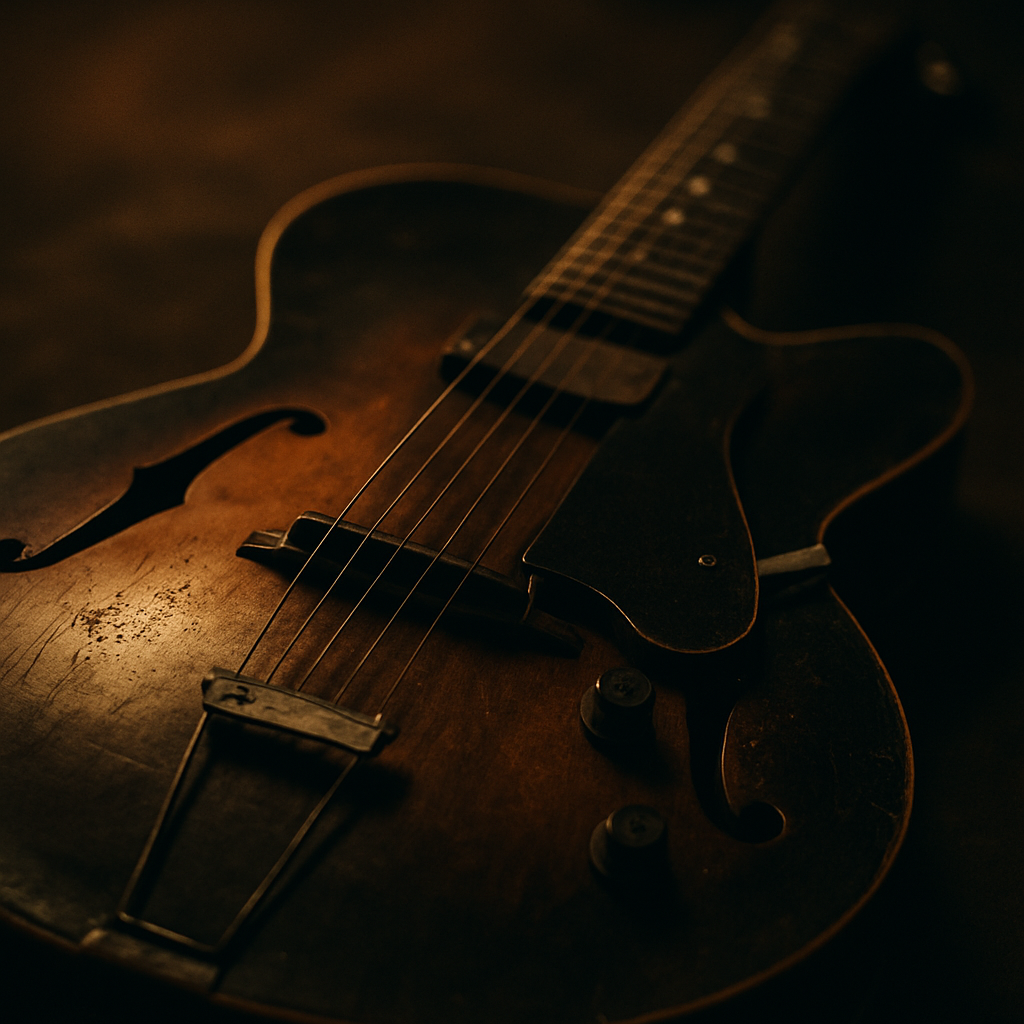
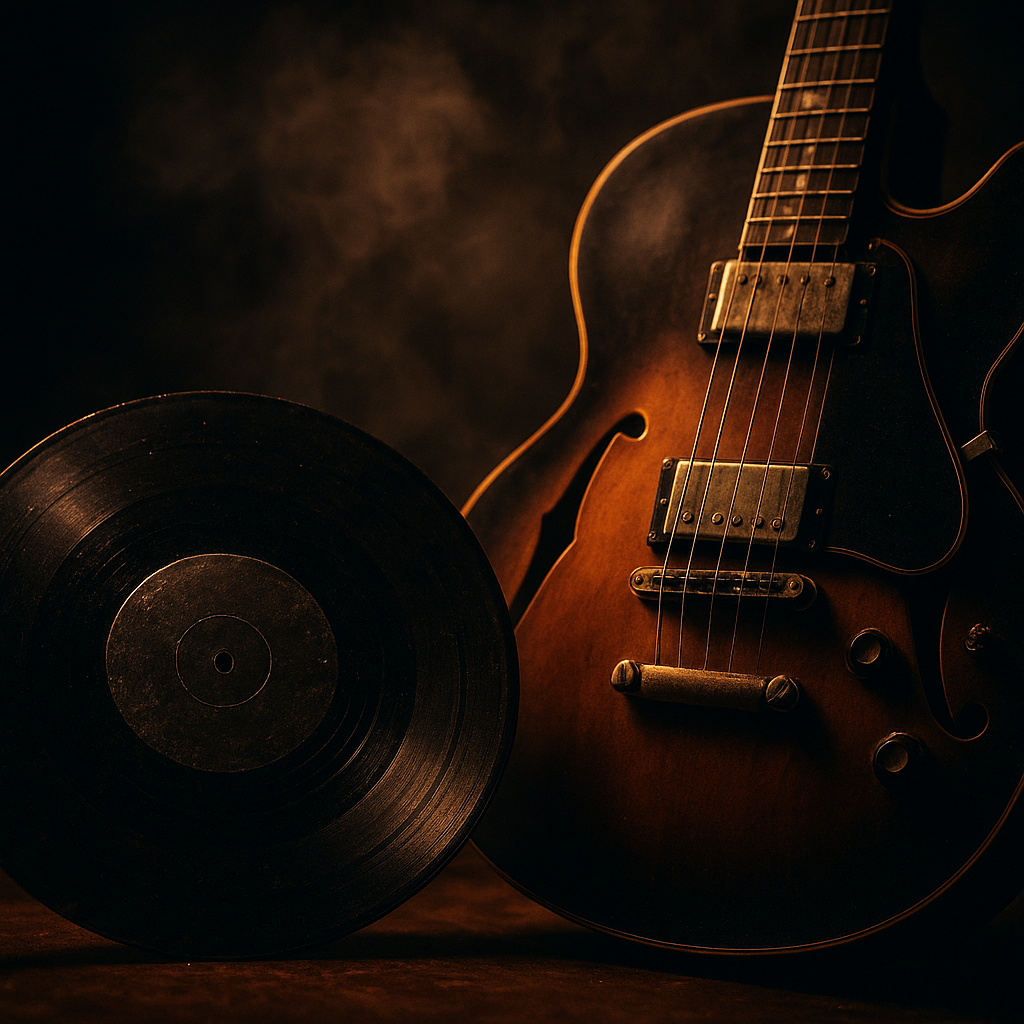
Weathered Guitars
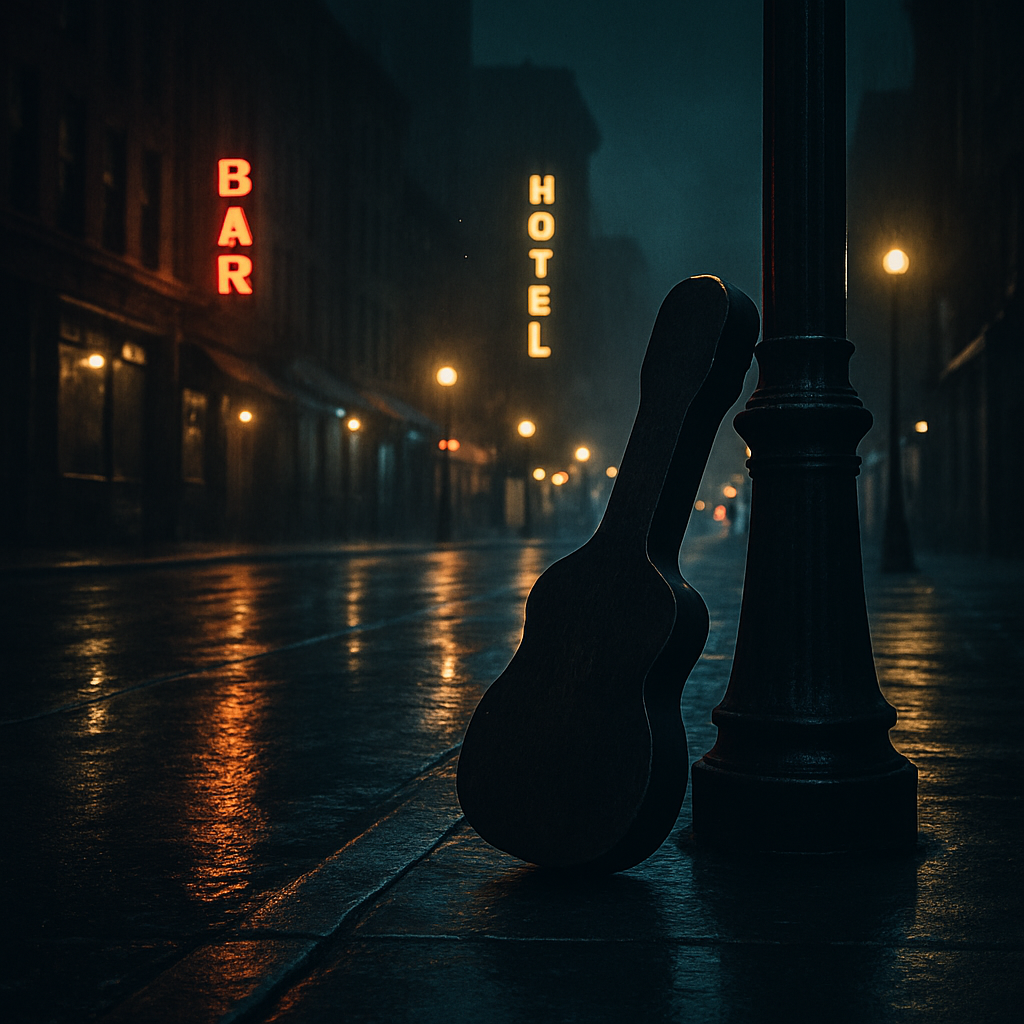
Strings that carry the hush of decades.
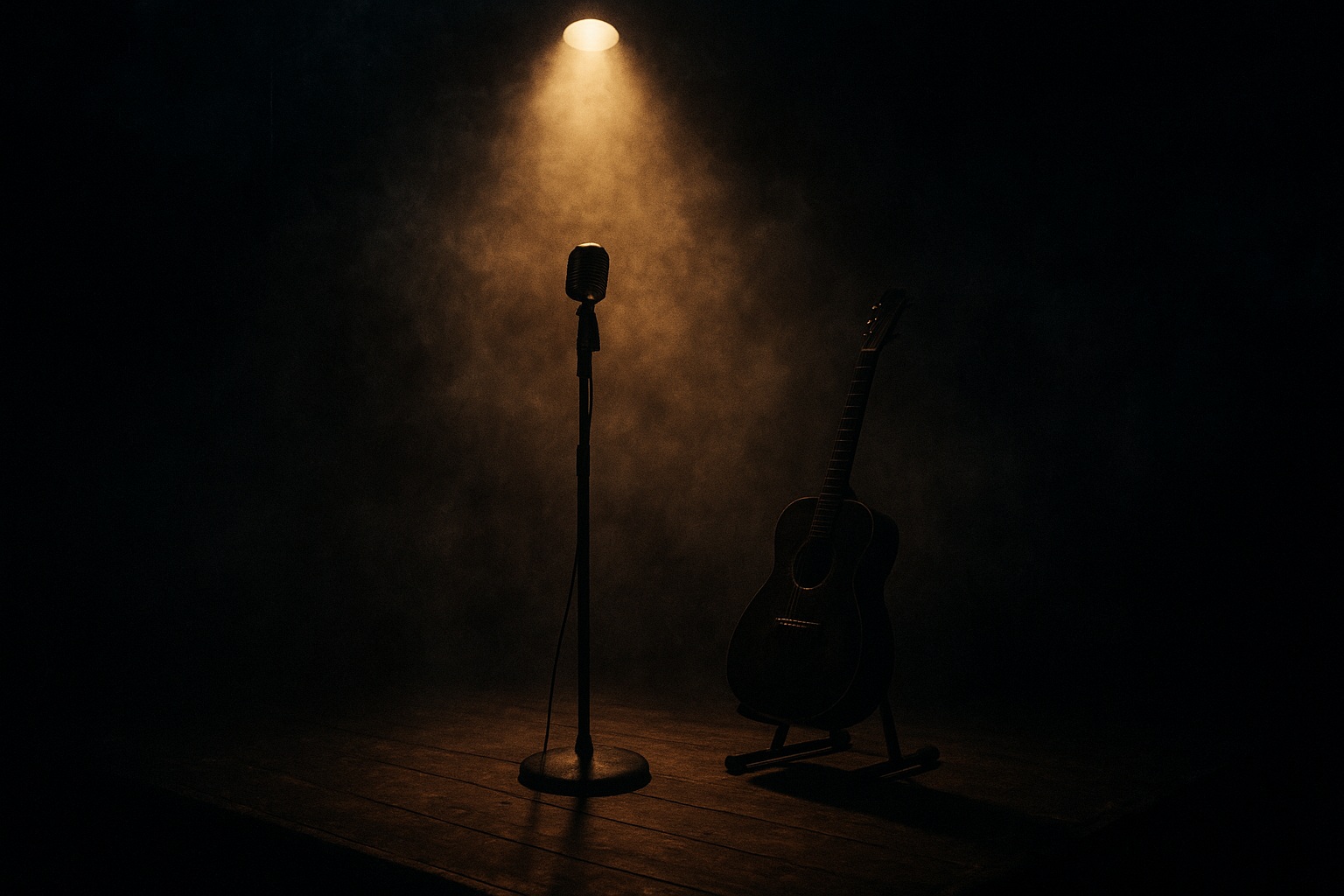
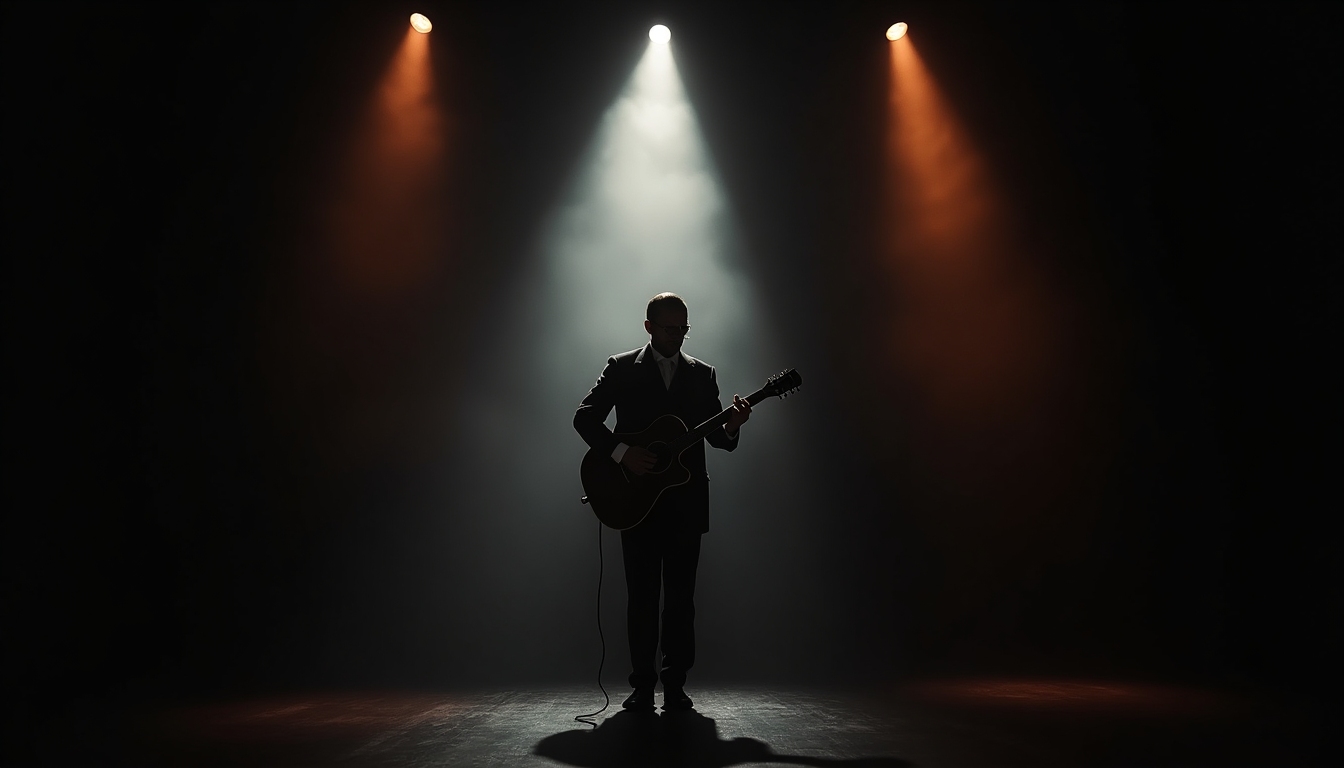
Stage Lights
A single spotlight over a late-night set.
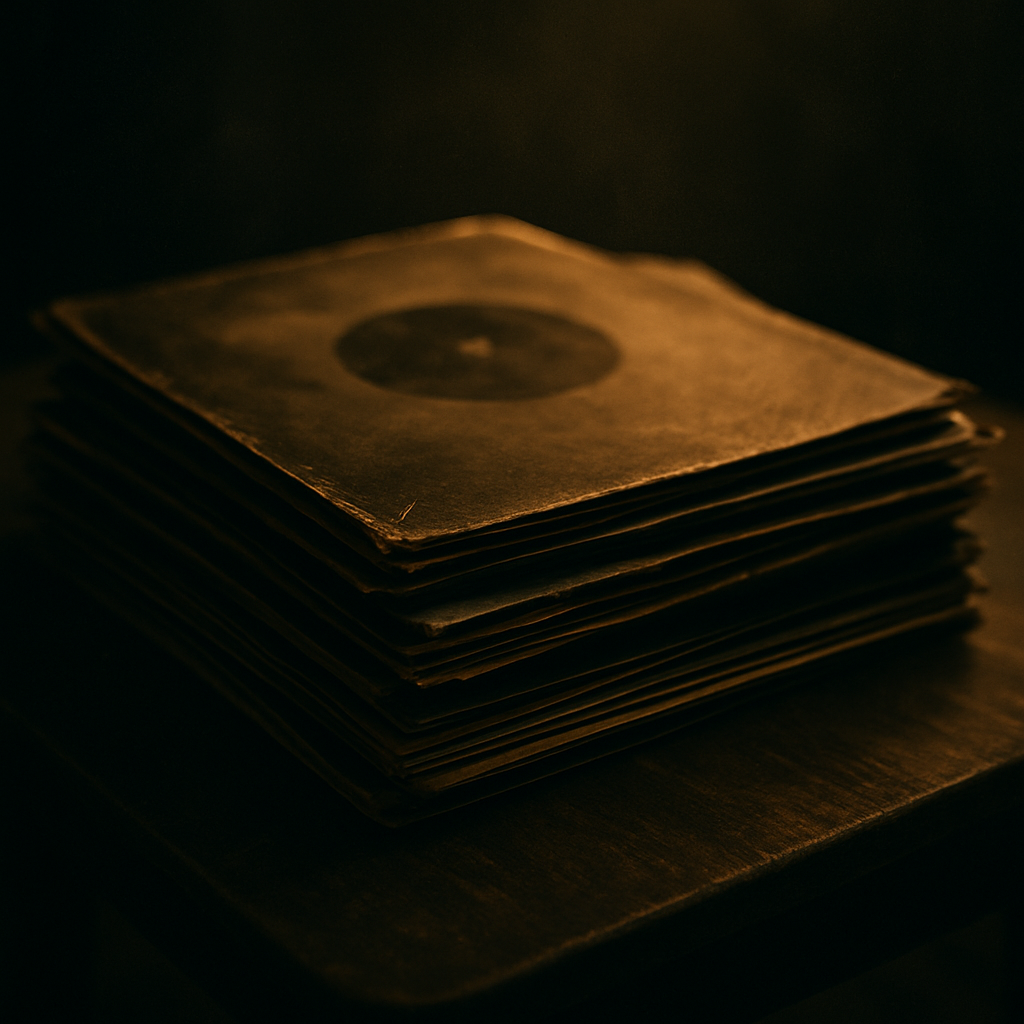
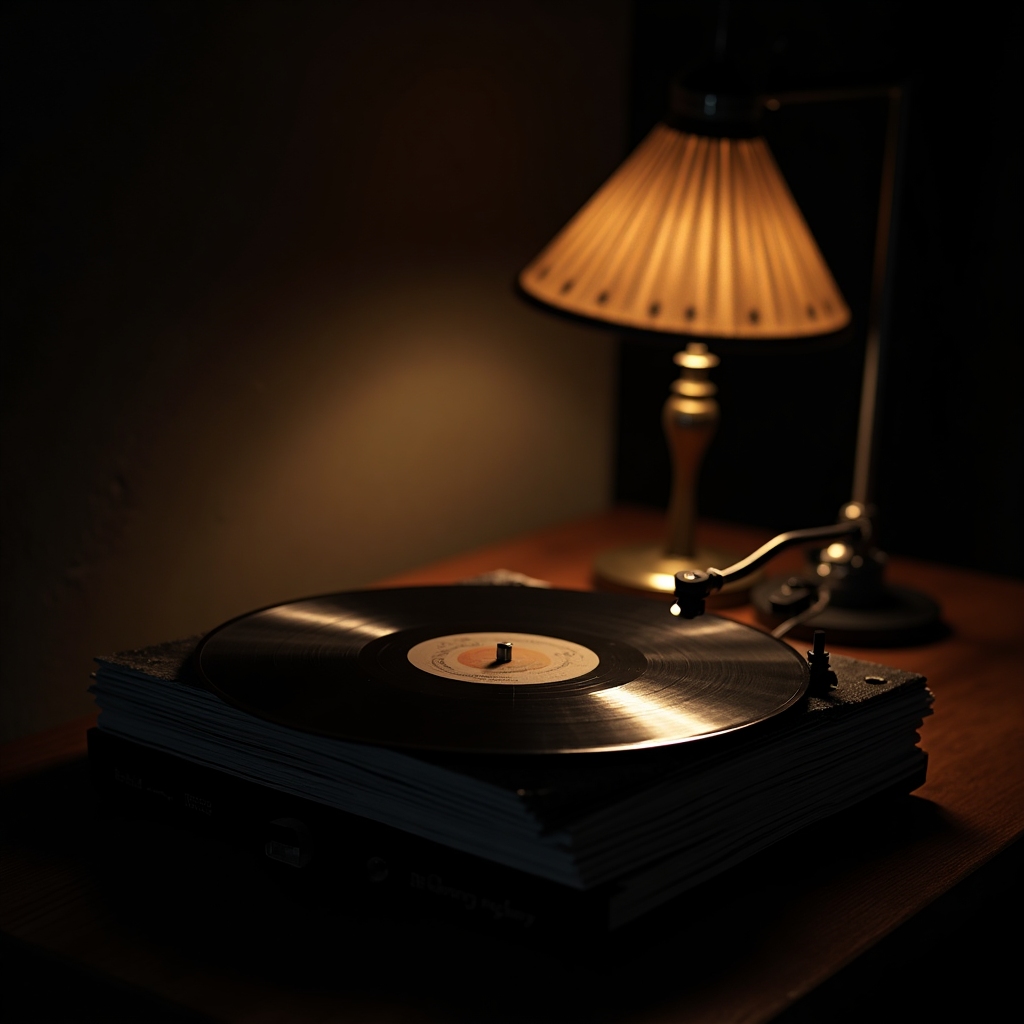
Vinyl Records
The analog archive of noir blues.